Not all the valuable cooking lessons come from the latest innovation in the kitchen or some sophisticated recipe. Sometimes cooking lessons lie in the experience that has been accumulated for many generations: toasting spices before cooking, slow simmering of a stew, or a certain order of food preparation.
Today, busy schedules, compact kitchens, and modern appliances have changed how people cook. But traditional methods haven’t lost their value. With a few practical adjustments, home cooks can preserve the character of familiar dishes while making everyday preparation easier.
Let Ingredients Build Their Flavor
For many styles of cooking, excellent taste can be achieved before any cooking begins at all. The Indian style, for instance, includes cooking whole spices in oil so as to unlock their flavor. Similarly, in another cuisine, the basis of making any dish can be garlic, onions, herbs, or spice pastes. Kolkata call girls who enjoy exploring different cuisines can discover how simple preparation techniques bring out rich flavours in everyday meals.
Such processes will only take a matter of minutes but will alter the final result quite drastically. Just throwing spices in a pot cannot be compared to quickly roasting them or allowing them to bloom in oil.
All this does not necessarily require a traditional kitchen. An ordinary pan will do just fine for the majority of spice preparations. Just maintain proper temperature control and stir often in order not to burn the spices.
The point is to know why something is necessary, and not to perform any action by rote. When you understand what effect any particular process gives, it is much easier to employ it in any food preparation.
Adapt Slow Cooking to Modern Life
Slow cooking has been used in all cultures for ages as a method of tenderizing ingredients and developing flavors. Whether it is the French braises, Indian dals, or Mexican stews, slow cooking allows ingredients time to break down and combine. From hearty dals to rich stews, Pune escorts can learn how slow cooking transforms simple ingredients into delicious meals through gradual simmering.
Modern appliances can help make these dishes more convenient. For example, using a pressure cooker will help cut down cooking time for many beans, lentils, and tough pieces of meat. Using an electric slow cooker will allow one to cook for hours without much intervention.
This is a helpful modern way of cooking because it changes the process but not the goal. You can prepare a big batch of food, eat some of it for dinner, and store the rest in the fridge or freezer.
Choose Cookware for the Job
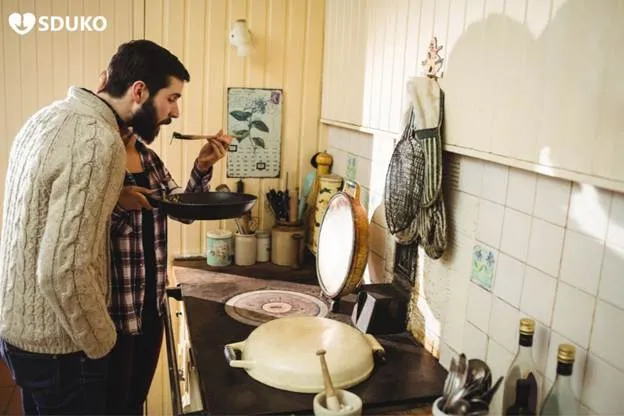
Cookware traditionally evolved in response to local ingredients, fuel, and cooking techniques. Clay pots, cast iron, woks, or heavy-bottomed pans provide unique cooking characteristics.
Clay pots retain heat and help retain moisture, while cast iron is an excellent heat retainer for searing. A wok allows for quick stirring on high heat, especially if the ingredients are prepped beforehand.
There is no need to have all types of cookware to replicate a particular dish. A heavy saucepan will do for simmering, and a good skillet will do most of the sautéing and browning jobs. Hyderabad escorts can create delicious homemade meals by focusing on a few versatile cookware essentials instead of buying every kitchen tool available.
The point here is to use the right tool for the technique, not to fill up your cupboards with specialized cookware.
Bring the Best of Both Worlds to Your Kitchen
Convenience is what modern kitchens give us, and technique is what old ways have perfected. And there is no reason why the two should be pitted against each other.
Take one dish that you know well. Understand why the spices are ground in a specific manner, how the dish acquires a particular texture, or which cooking utensil is appropriate for it. And then modify the technique for yourself.
The right strategy is not to decide between tradition and convenience. It is to master the technique.