Picking a fence for a warehouse, factory or commercial site is a bigger decision than it first appears. The right system has to do far more than mark a boundary. It needs to stand up to daily knocks, harsh weather and the occasional attempt to break in, year after year.
Palisade fencing is a popular choice for properties that need serious perimeter protection. But two palisade fences that look alike from the street can perform very differently once they’re put to the test.
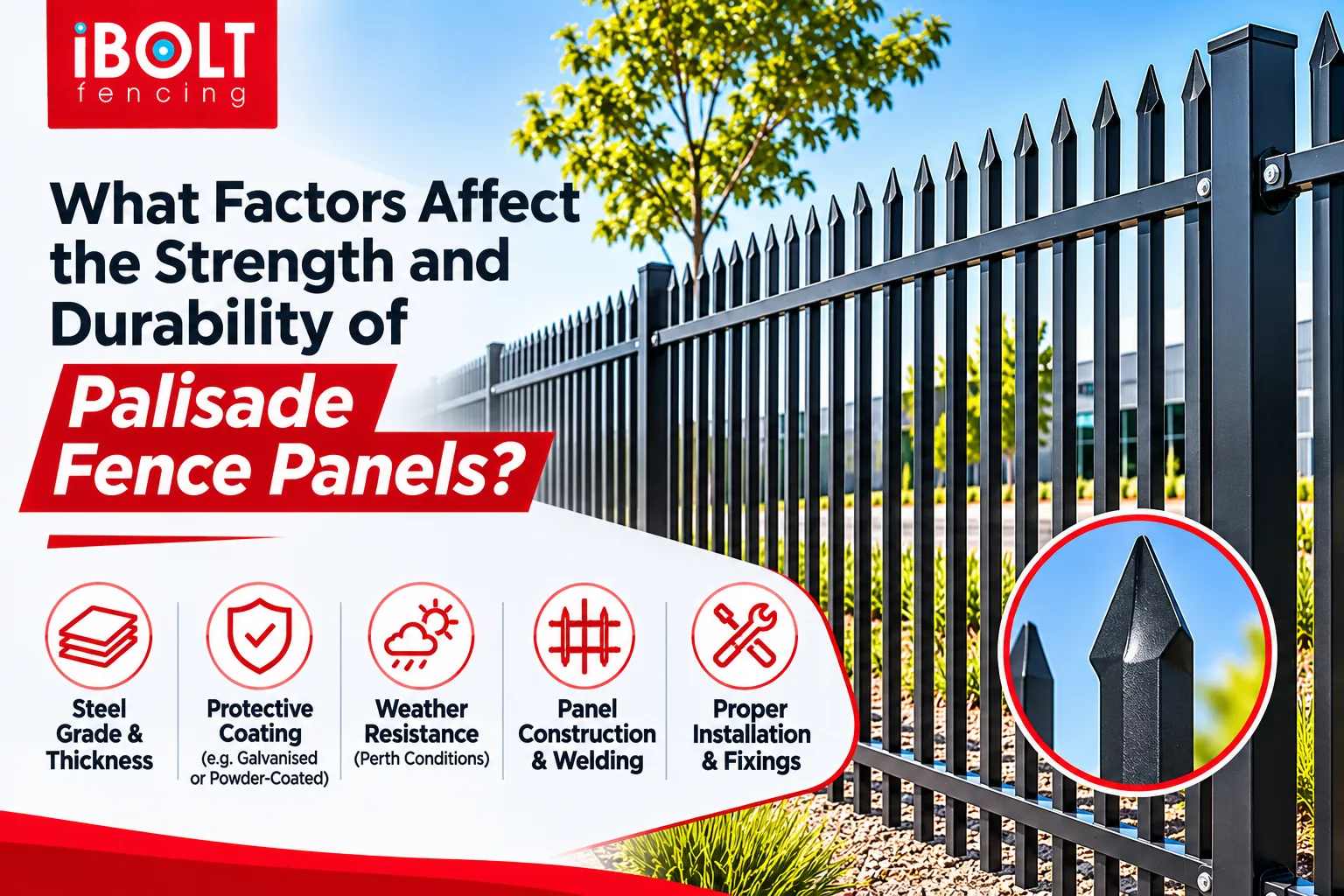
Steel quality, panel design, coatings, fixings and installation all play a part. If you understand these factors before investing in palisade fencing, you’re far more likely to end up with a fence that lasts.
What Gives Palisade Fence Panels Their Strength?
A palisade fence is made from vertical steel pales fixed to horizontal rails, which are then bolted to sturdy posts. Its strength comes from how well these parts work together as one structure.
Compared with lightweight boundary fencing, a properly specified palisade system creates a solid, hard-to-breach barrier. Still, the level of security it delivers depends on materials, dimensions, connections and installation, not just on how tough it looks.
1. Steel Quality and Thickness
Steel is the backbone of any palisade fence, so its quality matters more than almost anything else. The components have to handle years of weather exposure as well as physical force from impacts or tampering.
The grade and thickness of the steel affect how rigid the finished fence is. Thicker pales and rails generally resist bending better, but the overall design still counts.
When comparing systems, look at:
- Steel grade and material specifications
- Pale thickness
- Rail strength
- Quality of welded and bolted joints
- How well the system matches your security needs
A high-security industrial compound may call for a much heavier specification than a general commercial boundary.
2. Pale Profile: W-Section vs V-Section
The shape of each vertical pale affects how well the fence resists bending and force. The two most common profiles are W-section and V-section.
W-Section Palisade
W-section pales have a triple-pointed, folded profile that adds stiffness. They’re often chosen for industrial facilities, utilities and other sites that need stronger perimeter protection. Even so, their real-world strength depends on steel thickness, pale spacing and how the connections are made.
V-Section Palisade
V-section pales are a practical, widely used option for warehouses, commercial premises and industrial boundaries. When properly specified, they offer a sensible balance of strength, security and appearance.
Don’t choose on shape alone. Compare the actual material specifications and installation details of each option.
3. Protective Coatings
Even the strongest steel will break down if moisture and corrosion are left unchecked. That’s where protective coatings come in.
Hot-Dip Galvanising
Hot-dip galvanising bonds a layer of zinc to the steel. This acts as a barrier against rust and offers sacrificial protection, meaning the zinc corrodes first if a small area of steel is exposed. In Australian conditions, the galvanising specification should match the site’s level of exposure.
Powder Coating
Powder coating adds a coloured finish and, as part of a well-matched coating system, an extra layer of corrosion protection. It also lets businesses choose a colour that suits their building.
On coastal sites, coating choice becomes especially important because salty air speeds up corrosion. The right finish depends on location, surface preparation and expected exposure.
4. Posts and Foundations
Strong panels can’t do their job without solid support. Posts carry the load from the panels down into the ground through their footings. If posts are spaced too far apart or the foundations are too shallow, the fence can lean, shift or fail over time.
Key installation factors include:
- Soil and ground conditions
- Fence height and post spacing
- Wind exposure
- Footing depth and size
- Panel alignment and connections
A good installer treats the fence as one complete structure, not a row of separate panels.
5. Fixings and Connections
Bolts and brackets might seem like small details, but they have a big impact on both strength and security. Cheap fixings can work loose, corrode or be removed by intruders.
Anti-tamper security fixings make it much harder to dismantle the fence. On higher-risk sites, connection design should be considered alongside panel strength and height. Regular checks will also catch loose or damaged fixings before they become a weak point.
6. Perth’s Climate
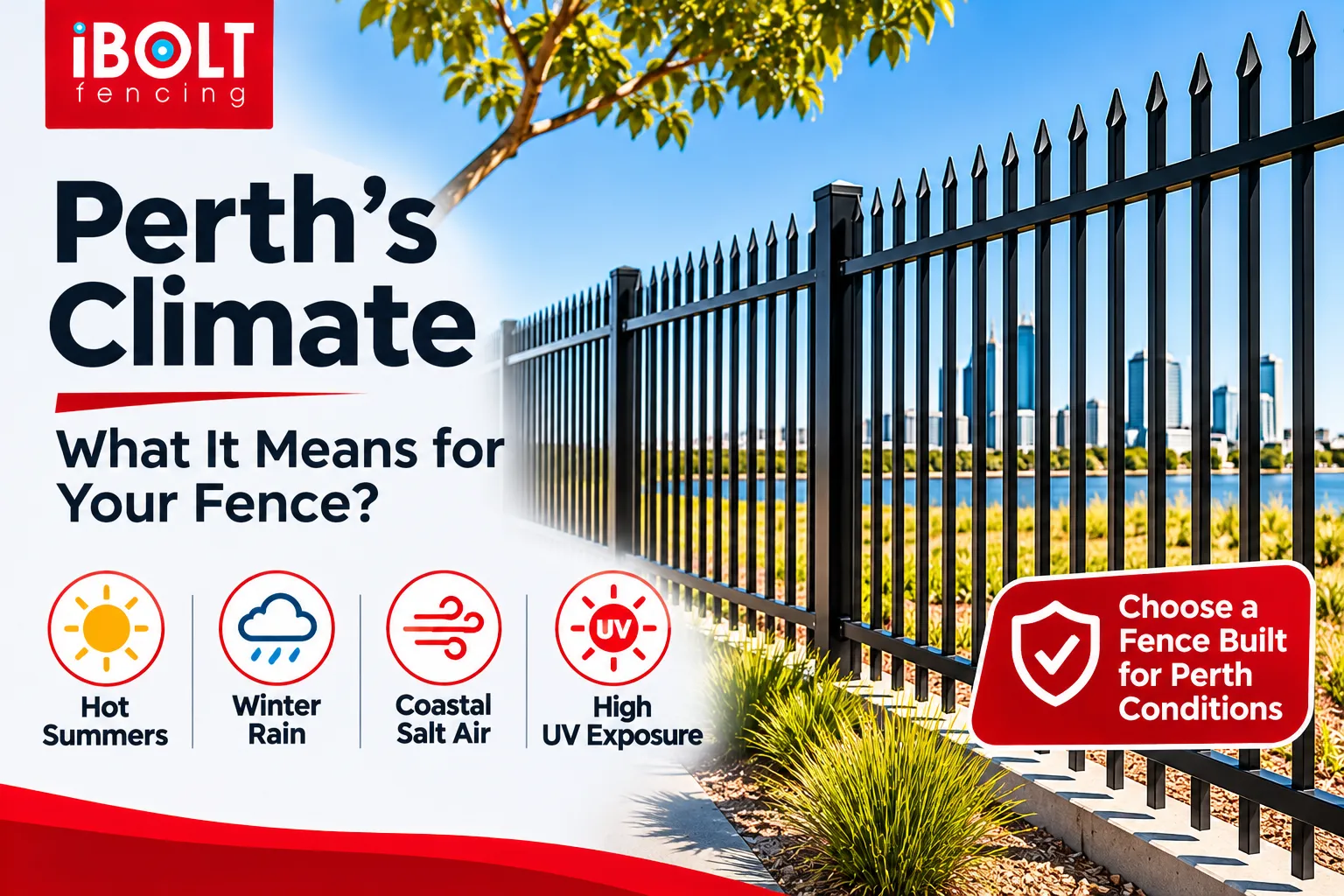
Perth’s weather can take a toll on outdoor steel. Commercial sites deal with intense summer sun, winter rain and, near the coast, salt-laden air.
When searching for a fence palisade system, buyers should look beyond appearance and ask whether the materials and coatings suit the property’s actual location.
A warehouse in an inland industrial estate won’t face the same corrosion risk as a facility close to the ocean. The right materials and regular maintenance protect your investment either way.
7. Ongoing Maintenance
Galvanised steel needs less upkeep than untreated materials, but it isn’t maintenance-free. Regular inspections help you spot damage early.
A simple maintenance checklist:
- Check pales and rails for bending or damage
- Tighten loose bolts and connections
- Look for rust on exposed steel
- Wash off dirt and salt build-up
- Inspect coatings for scratches or chips
- Check posts for movement
- Test gates, hinges and locks
Fixing small issues early prevents bigger repair bills later. How often you inspect should depend on your site’s exposure, how heavily it’s used and the manufacturer’s advice.
How to Choose the Right Palisade Fence Panels
Choosing suitable palisade fence panels starts with understanding your site’s security needs. A warehouse, a utility installation and a restricted industrial compound may each need a different design.
Before you request a quote, ask:
- What level of security does the property need?
- Which pale profile and steel thickness suit the site?
- What coating is recommended for the location?
- Are security fixings included?
- How will posts and footings be installed?
- What ongoing maintenance will be required?
Comparing these details helps you judge long-term value, not just the upfront price.
Why Choose iBOLT Fencing?
iBOLT Fencing supplies and installs commercial and industrial security fencing across Perth and Western Australia. Here’s why businesses trust us with their perimeter:
- W-section and V-section options: Our palisade range covers both profiles, so we can match the system to your site’s security level.
- Custom solutions: We design fencing for warehouses, industrial facilities, commercial properties and other sites that need strong perimeter protection.
- Choice of heights and finishes: We offer different fence heights and protective finishes to suit your location and the look you want.
- Site-specific advice: We assess your layout, risks and day-to-day operations before recommending a system.
- Clear, itemised quotes: You’ll see exactly what’s included, from steel specifications to fixings and installation.
- Local knowledge: As a Perth-based team, we understand how WA conditions affect steel fencing.
Talk to iBOLT Fencing about your property, and we’ll help you find a palisade system that suits your security needs and operating requirements.
Frequently Asked Questions
Are thicker palisade fence panels always stronger?
Thicker steel improves resistance to bending, but overall strength also depends on steel grade, pale profile, rails, fixings and installation quality.
Does galvanised palisade fencing rust?
Galvanising protects steel against corrosion, but it doesn’t make a fence maintenance-free. Damaged coatings and harsh environments can still affect long-term performance.
What’s the difference between W-section and V-section palisade fencing?
The main difference is the shape of the pales. Both work well for security fencing, but performance depends on the full system specification.
How long does palisade fencing last?
It varies with material quality, coatings, exposure, installation and maintenance. There’s no single lifespan that applies to every site.
Final Thoughts
The strength and durability of palisade fencing come down to much more than how the panels look. Steel quality, pale profile, coatings, fixings, footings and maintenance all shape how well the fence performs over time.
For commercial and industrial property owners, weighing up these factors before installation helps avoid costly repairs and delivers better perimeter security. A properly specified system, matched to your site’s risks and conditions, is the most practical path to lasting value.